
Recommendations from our site
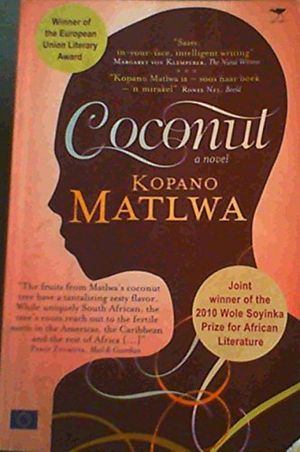
“The book is in two parts. You have the story of Ofilwe, who grows up in a middle-class family and goes to elite schools. She is questioning her identity: the fact that she doesn’t really understand her own African languages, the world around being in a Model C school. On the other side, you have Fix, who is growing up in a township. I relate to her a bit more. Her problem is that she has internalized racism. It all comes from the psychology of being in between, as a country. What exactly am I? In apartheid times, we were told that black was no good. And because of internalized racism, there’s also colorism. In the book, there is a scene when Ofilwe is at a party, and they’re playing a game (I think it’s spin the bottle). And one of the children says, ‘I cannot kiss her because she’s too dark.’ The book is powerful because it’s very simple, but there are so many things going on.” Read more...