Recommendations from our site
“Holmes comes at the Poet Laureate, not from the present, but from his youth, and in so doing completely changes our picture of the man.” Read more...
The Best Nonfiction Books: The 2026 Duff Cooper Prize
Andrew Holgate, Journalist
“This is before Darwin, but you’ve got other scientific discoveries with geologists digging up fossils, etc. It was a faith-shaking era, and it’s interesting to see Tennyson engaging with these scientific controversies in his poetry. It’s like modern poets engaging with AI, how it’s going to change everything, and what it means to be human. Tennyson’s family story is also absolutely intriguing. There was a lot of mental illness. His father was violent and even tried to kill Tennyson’s brother. Tennyson always had this fear that the madness would catch up with him. It’s quite something for someone with a creative mind to want to engage with the world, and yet always be worrying about the dark recesses of that mind and what was going on there. There was also the death of his friend, Arthur Hallam. Tennyson had this death-stalked life. After you read it, you’re amazed that Tennyson got up in the morning to write his poetry. So there’s myth-busting going on in the book. The humanizing of this Victorian monument drew all the judges in.” Read more...
The Best Nonfiction Books of 2025: The Baillie Gifford Prize Shortlist
Robbie Millen, Journalist


Our most recommended books
-

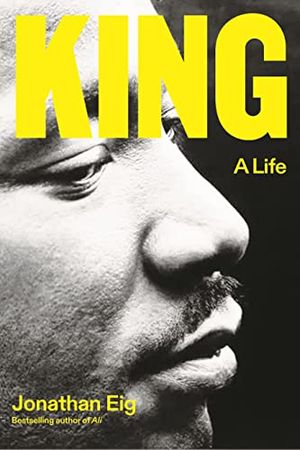
King: A Life
by Jonathan Eig -
Patriot: A Memoir
by Alexei Navalny, translated by Arch Tait with Stephen Dalziel -
Wild Thing: A Life of Paul Gauguin
by Sue Prideaux -
Candy Darling: Dreamer, Icon, Superstar
by Cynthia Carr -
Augustus The Strong: A Study in Artistic Greatness and Political Fiasco
by Tim Blanning -
Every Living Thing: The Great and Deadly Race to Know All Life
by Jason Roberts