

Science Fiction Books
recommended by sci-fi novelists and scientists
Last updated: January 28, 2026


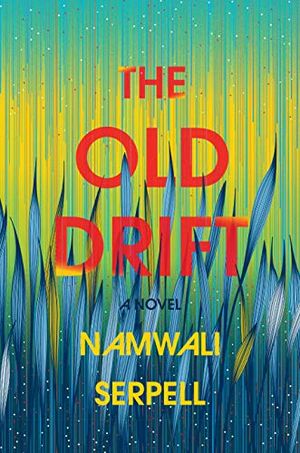


Afrofuturist Books, recommended by Eugen Bacon
‘Afrofuturism’ is a term that has come to describe books about the Black experience through a speculative lens. We asked Eugen Bacon, the award-winning fantasy author and member of the Sauúti Collective—who, together, have created a shared fictional universe—to recommend five key Afrofuturist books.


The Best Science Fiction Books of 2025, recommended by Andrew M. Butler
The Arthur C Clarke award highlights six outstanding science fiction books every year. The judges look for books that reward re-reading and make them think, says chair of judges Andrew M. Butler. He introduces this year’s shortlist, taking in everything from time travel to heist novels: books that provoke questions, confront crises, and make us laugh.


The Best Military Sci Fi Books, recommended by A.D. Sui
Military sci fi can explore complex questions about the military as an institution, without sacrificing any of the action, says Nebula winner A.D. Sui. She introduces five of the most imaginative and exciting examples, from classics to contemporary fiction – featuring bug-aliens, mecha suits, AI, and some highly questionable regimes.


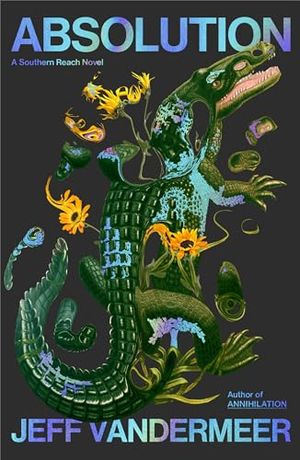

The Best Sci Fi Audiobooks, recommended by Ray Porter
There are many ways to approach narrating an audiobook, says award-winning narrator Ray Porter, but whatever the narrator’s method, they must bring conviction to the fantastical tales of sci fi. He introduces his top five choices: sci fi classics and award-winning contemporary novels, read for you by the giants of sci fi narration.


The Best Ursula Le Guin Books, recommended by Sherryl Vint
Ursula Le Guin’s most groundbreaking books are considered landmark texts in speculative fiction, exploring themes of colonisation, gender, nationalism and environmentalism through allegorical means. Here, the science fiction scholar Sherryl Vint selects five of the best books by Ursula Le Guin and examines her legacy as one of the great American writers.
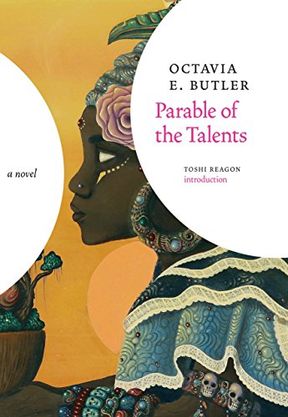


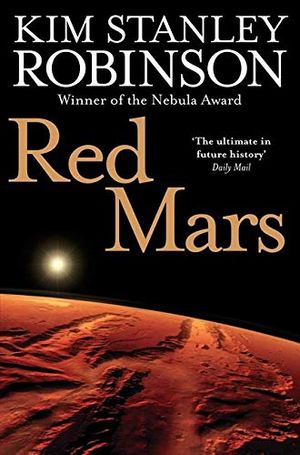
The Best Sci Fi Books on Space Settlement, recommended by Erika Nesvold
We look to the stars and imagine a new home for humanity, an escape from the troubles that plague us here on Earth, but as astrophysicist Erika Nesvold points out, many of our problems will join us on our voyage. Here, she selects five science fiction books that illuminate the challenges and possible conflicts we’ll face if we head for this new frontier.


The Best Cyberpunk Novels, recommended by Jared Shurin
Cyberpunk focuses on the near future, and on the impact of technology on human affairs, says Jared Shurin, anthologist and editor of The Big Book of Cyberpunk. He takes us from prescient writers of the past, up to those asking the same questions today: five stories from worlds that are plausible, challenging, and – above all – deeply human.


The Best Warhammer 40k Books, recommended by Graham McNeill
There are over 370 books in the Warhammer 40k series. As veteran Warhammer author Graham McNeill explains, the books offer a chance to introduce complexity and depth, while respecting the Lore the fans know and love. There are no greater fans of the 40k world, says McNeill, than the writers themselves. He introduces his top five choices, and gives us a glimpse of the writers’ world – of group workshops, complicated timelines, constant correspondence, and friends for life.


The Best Short Sci Fi Books, recommended by Karin Tidbeck
Short sci fi deliver stories with more punch – it’s ‘concentrated fruit juice for the brain’, says author Karin Tidbeck. They talk us through their five top choices, taking in first encounters, space operas and multiverses along the way – all in perfectly crafted short novels.


The Best H.P. Lovecraft Books, recommended by Jeffrey Weinstock
H. P. Lovecraft has been hugely influential on many leading names in speculative fiction today, and is also frequently adapted – and frequently subverted. Jeffrey Weinstock, co-editor of The Age of Lovecraft, introduces five stories that best illustrate the themes and range of this influential figure: the anxieties, the typical Lovecraftian twists, and the ‘cosmic indifferentness’ that set his work apart.
