

Architecture and interior design are often discussed either academically or through surface-level aesthetics, but in practice, they exist somewhere in between. As an interior architect working across real spaces, real clients, and real constraints, my thinking has been shaped by books that balance architectural principles, spatial theory, visual understanding, and lived experience. These five books have influenced how I understand space, proportion, structure, atmosphere, and everyday living. Some are technical, some are visual, and others focus on how people actually inhabit buildings and homes. Together, they reflect a grounded, practical approach to architecture and interior design that prioritizes clarity, usability, and human experience over trends.
1
This book offers a clear and practical foundation for interior design, focusing on proportion, balance, and visual harmony rather than trends. It translates design principles into accessible rules that can be applied to real spaces. I find it especially valuable as a reference for understanding why certain interiors work visually and emotionally.
2
What makes this book compelling is its emphasis on livability. The interiors presented feel personal, layered, and imperfect in a way that reflects real life. It reinforces the idea that good interior design is not about perfection, but about creating spaces that age well and adapt to the people living in them.
3
This book explores the emotional side of interior design and the relationship between identity and space. Rather than prescribing a single style, it encourages readers to understand what feels authentic to them. It highlights the importance of comfort, familiarity, and personal meaning in residential interiors.
4
This is one of the clearest explanations of spatial thinking in architecture and interior design. Through diagrams and simple language, it explains how form, proportion, and organization shape our perception of space. It remains a foundational reference for understanding how interiors relate to structure and geometry.
5
This book provides a broad visual overview of architectural history, styles, and movements. While not technical, it offers important context for understanding how contemporary interior design evolved. It reinforces the value of visual literacy and historical awareness in shaping modern design decisions.
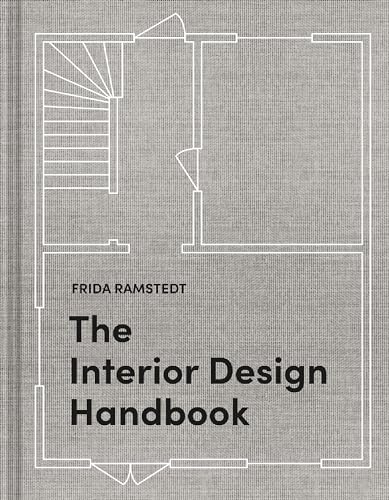
1
This book offers a clear and practical foundation for interior design, focusing on proportion, balance, and visual harmony rather than trends. It translates design principles into accessible rules that can be applied to real spaces. I find it especially valuable as a reference for understanding why certain interiors work visually and emotionally.
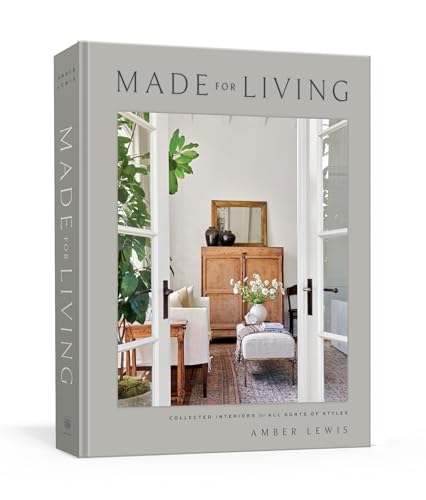
2
What makes this book compelling is its emphasis on livability. The interiors presented feel personal, layered, and imperfect in a way that reflects real life. It reinforces the idea that good interior design is not about perfection, but about creating spaces that age well and adapt to the people living in them.
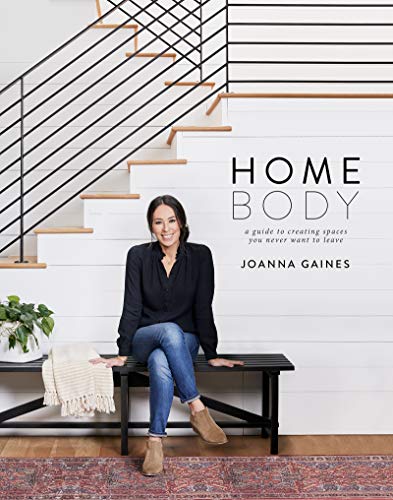
3
This book explores the emotional side of interior design and the relationship between identity and space. Rather than prescribing a single style, it encourages readers to understand what feels authentic to them. It highlights the importance of comfort, familiarity, and personal meaning in residential interiors.

4
This is one of the clearest explanations of spatial thinking in architecture and interior design. Through diagrams and simple language, it explains how form, proportion, and organization shape our perception of space. It remains a foundational reference for understanding how interiors relate to structure and geometry.

5
This book provides a broad visual overview of architectural history, styles, and movements. While not technical, it offers important context for understanding how contemporary interior design evolved. It reinforces the value of visual literacy and historical awareness in shaping modern design decisions.
© Five Books 2026
