

1
2
3
4
5
Doubt isn’t always a bad thing. In fact, it can actually help you learn, see things in new ways, and make better choices. The important thing is knowing how to use it instead of letting it stop you. These five books show how doubt affects the way we think, challenges our assumptions, and pushes us to get better. Whether you want to make smarter decisions, handle uncertainty, or become a stronger leader, this list of books is full of practical tips and ideas to help you turn doubt into a useful tool.
1
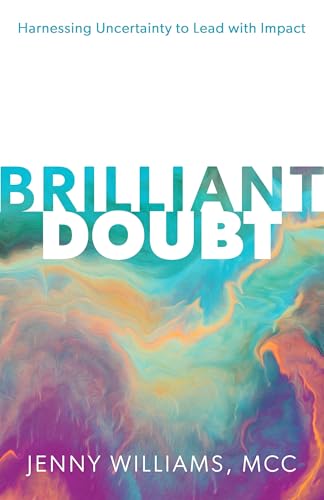
In a world that celebrates confidence and quick decisions, doubt is often seen as a weakness - but Jenny Williams shows it can be a powerful tool for leaders. In Brilliant Doubt, she explains how leaning into doubt instead of ignoring it can help leaders make smarter choices, work better with their teams, and handle uncertainty with more clarity. The book breaks doubt down into three types: self-doubt (questioning yourself), situational doubt (uncertainty about specific situations), and systemic doubt (doubts that come from how an organisation works). At the heart of it is “Active Doubt”, a way of turning hesitation and uncertainty into insight and action. Full of useful tips and real-life stories, the book shows how doubt can spark creativity, build courage, and help leaders and their teams achieve better outcomes.
2
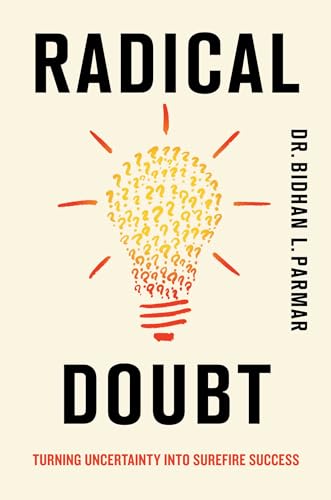
Radical Doubt by Dr. Bidhan Parmar shows that doubt isn’t a weakness. It can actually be an excellent tool for making better choices. Drawing on neuroscience, psychology, and moral philosophy, Parmar explains why traditional decision-making approaches often fall short when situations are uncertain or complex. The book gives practical strategies for dealing with hard decisions: treating your instincts as a hypothesis, exploring multiple scenarios, making flexible plans, and using doubt to spark insight and growth. Packed with real-world examples, it helps leaders, managers, and anyone facing high-stakes decisions navigate uncertainty, balance priorities, and strengthen relationships. Whether you’re a CEO or new to management, Radical Doubt teaches you how to turn hesitation and uncertainty into confidence, creativity, and better outcomes, making doubt a true leadership superpower.
3
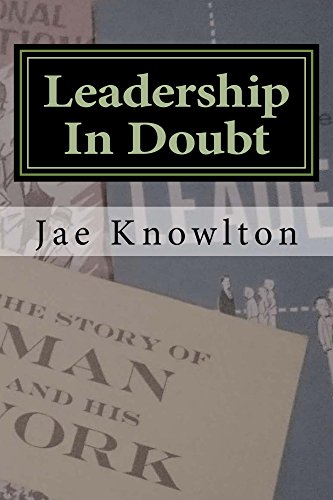
In Leadership in Doubt, Jae Knowlton draws on his own wins and struggles as a leader, alongside lessons from the lives of Kings Saul and David, to explore what it means to bring faith into everyday leadership. Jae isn’t a high-powered executive - he’s an Everyday Ordinary Leader (EOL), imperfect but empowered - and he shares his journey with honesty and humility. Using personal stories and new perspectives on familiar Bible stories, the book invites readers to think about their own leadership challenges, passions, and purpose. The author shows that leadership is all about faith, courage, and growing through everyday experiences. Full of inspiration and fantastic advice, the book is a reminder that God is at work in every leader’s journey, even when doubt shows up.
4
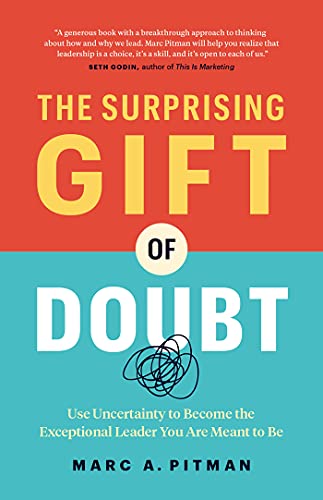
The Surprising Gift of Doubt is for leaders who’ve done well on paper but still have that quiet voice wondering if they’re really good enough. Marc A. Pitman makes it clear that doubt isn’t a sign you’re messing up - it’s often a sign you’re stretching and growing. Based on his work coaching senior leaders, he shows how to stop battling imposter syndrome and instead use it to your advantage. The book is full of hands-on exercises that help you spot your strengths, tell your story with more confidence, set goals that actually matter to you, and lead in a way that feels genuine. There’s no quick fix here - just practical guidance for building real, steady confidence so you can face leadership challenges with more calm, clarity and self-belief.
5
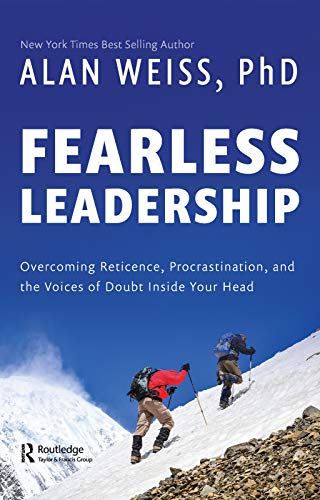
This book is all about getting honest with the fears that quietly hold us back, and realising most of them aren’t real in the first place. The author draws on years of coaching leaders and business owners to show how everyday fears, like feeling exposed, freezing under pressure, or worrying you’ll be found out, can stop capable people from showing up fully. We’re good at preparing for unlikely external risks, but it’s the made-up fears in our heads that do the real damage. Through clear examples and practical thinking, the book helps readers spot these inner roadblocks, question where they come from, and let them go. It’s a great read for people who know they have more to give but keep holding back, putting things off, or staying in their comfort zone.
1
In a world that celebrates confidence and quick decisions, doubt is often seen as a weakness - but Jenny Williams shows it can be a powerful tool for leaders. In Brilliant Doubt, she explains how leaning into doubt instead of ignoring it can help leaders make smarter choices, work better with their teams, and handle uncertainty with more clarity. The book breaks doubt down into three types: self-doubt (questioning yourself), situational doubt (uncertainty about specific situations), and systemic doubt (doubts that come from how an organisation works). At the heart of it is “Active Doubt”, a way of turning hesitation and uncertainty into insight and action. Full of useful tips and real-life stories, the book shows how doubt can spark creativity, build courage, and help leaders and their teams achieve better outcomes.
2
Radical Doubt by Dr. Bidhan Parmar shows that doubt isn’t a weakness. It can actually be an excellent tool for making better choices. Drawing on neuroscience, psychology, and moral philosophy, Parmar explains why traditional decision-making approaches often fall short when situations are uncertain or complex. The book gives practical strategies for dealing with hard decisions: treating your instincts as a hypothesis, exploring multiple scenarios, making flexible plans, and using doubt to spark insight and growth. Packed with real-world examples, it helps leaders, managers, and anyone facing high-stakes decisions navigate uncertainty, balance priorities, and strengthen relationships. Whether you’re a CEO or new to management, Radical Doubt teaches you how to turn hesitation and uncertainty into confidence, creativity, and better outcomes, making doubt a true leadership superpower.
3
In Leadership in Doubt, Jae Knowlton draws on his own wins and struggles as a leader, alongside lessons from the lives of Kings Saul and David, to explore what it means to bring faith into everyday leadership. Jae isn’t a high-powered executive - he’s an Everyday Ordinary Leader (EOL), imperfect but empowered - and he shares his journey with honesty and humility. Using personal stories and new perspectives on familiar Bible stories, the book invites readers to think about their own leadership challenges, passions, and purpose. The author shows that leadership is all about faith, courage, and growing through everyday experiences. Full of inspiration and fantastic advice, the book is a reminder that God is at work in every leader’s journey, even when doubt shows up.
4
The Surprising Gift of Doubt is for leaders who’ve done well on paper but still have that quiet voice wondering if they’re really good enough. Marc A. Pitman makes it clear that doubt isn’t a sign you’re messing up - it’s often a sign you’re stretching and growing. Based on his work coaching senior leaders, he shows how to stop battling imposter syndrome and instead use it to your advantage. The book is full of hands-on exercises that help you spot your strengths, tell your story with more confidence, set goals that actually matter to you, and lead in a way that feels genuine. There’s no quick fix here - just practical guidance for building real, steady confidence so you can face leadership challenges with more calm, clarity and self-belief.
5
This book is all about getting honest with the fears that quietly hold us back, and realising most of them aren’t real in the first place. The author draws on years of coaching leaders and business owners to show how everyday fears, like feeling exposed, freezing under pressure, or worrying you’ll be found out, can stop capable people from showing up fully. We’re good at preparing for unlikely external risks, but it’s the made-up fears in our heads that do the real damage. Through clear examples and practical thinking, the book helps readers spot these inner roadblocks, question where they come from, and let them go. It’s a great read for people who know they have more to give but keep holding back, putting things off, or staying in their comfort zone.
© Five Books 2026
