As usual, I read and listened to a lot of crime novels this year, seeking distraction from the world in fictional murder and mayhem. It was a good year for new instalments in existing series, several of which I hadn’t come across before.
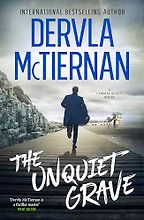
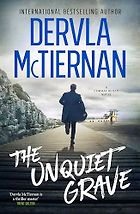
Probably my favourite was The Unquiet Grave by Dervla McTiernan, with its bleak setting on a peat bog outside Galway in the west of Ireland. A body is found in the bog by a visiting German family who reassure their daughter that it dates from ancient times, and the plot takes off from there. The Unquiet Grave is the fourth book featuring police detective Cormac Reilly, and in what’s always a good sign for a crime novel, it led me to read the previous books in the series too (The Ruin, The Scholar and The Good Turn)
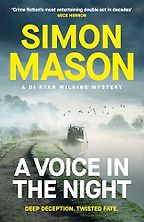
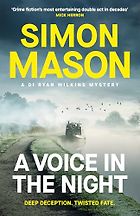
Another series I have been following for a while and is now hitting its stride is by Simon Mason and is set in Oxford. It features two police detectives with the same last name, but otherwise very different from each other. Both are in disgrace at the beginning of the book, but still forced to work together. A Voice in the Night opens with an old man’s body found on a lawn in a hotel off the Abingdon Road.
Mason also had a new book out in his ‘Finder’ series. These books are quite distinctive and contemplative in tone. The main protagonist is an individual who, as the title suggests, is good at finding people when the police hit a dead end. The latest is called The Woman Who Laughed and takes the Finder to Sheffield.
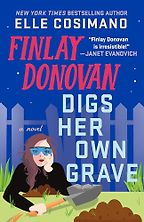
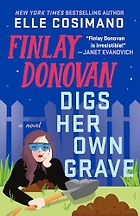
If you enjoyed M.C. Beaton’s Agatha Raisin series and appreciate crime novels that are a bit ludicrous, a good option is Finlay Donovan Digs Her Own Grave by Elle Cosimano, about a mother of two toddlers who one way or another is mixed up with a string of bodies buried around her small town in Virginia. In this one, the dead body is found in the house of Mrs Haggerty, her officious neighbour.
In the same vein, Richard Osman’s fifth book in his Thursday Murder Club series is now out—with its four elderly sleuths, an ever-growing cast of characters, and commentary on some of the ridiculousness of modern life. Appropriately, The Impossible Fortune of the book’s title turns out to consist of £350 million in bitcoin.
Also in the traditional mystery genre is Death in the Arctic by Tom Hindle, which wins the prize for most unusual setting—with the murder taking place on a luxury airship journeying to the North Pole. I wasn’t blown away by the plot, but the descriptions of the airship and the Arctic below are, for me at least, pretty unforgetable.
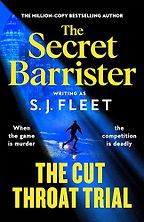
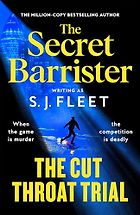
In legal thrillers, this year saw the publication of The Cut-Throat Trial by S.J. Fleet, an alias for ‘the Secret Barrister,’ a junior trial lawyer who has written a couple of nonfiction books about the law in the U.K., including Stories of the Law and How It’s Broken. A big part of the attraction for me was that though The Cut-Throat Trial is fiction, it isn’t too far from reality, at least in the system it describes and some of the details of how it functions (you can read our interview with The Secret Barrister from 2019 here).
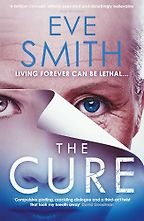
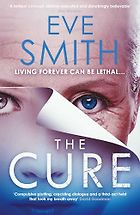
Finally, I always like to highlight one or two books by writers who aren’t household names yet. This year, both my husband and I enjoyed The Cure by Eve Smith, a dystopian/medical thriller in which a cure has been found for ageing. Though this book, again, is fiction, one can’t help but feel it’s depicting a world that’s not too far off. It gave me quite a bit of food for thought—about health inequality, our approach to death, and what the boundaries of medicine should be.
Five Books aims to keep its book recommendations and interviews up to date. If you are the interviewee and would like to update your choice of books (or even just what you say about them) please email us at [email protected]
Five Books interviews are expensive to produce. If you've enjoyed this interview, please support us by donating a small amount.